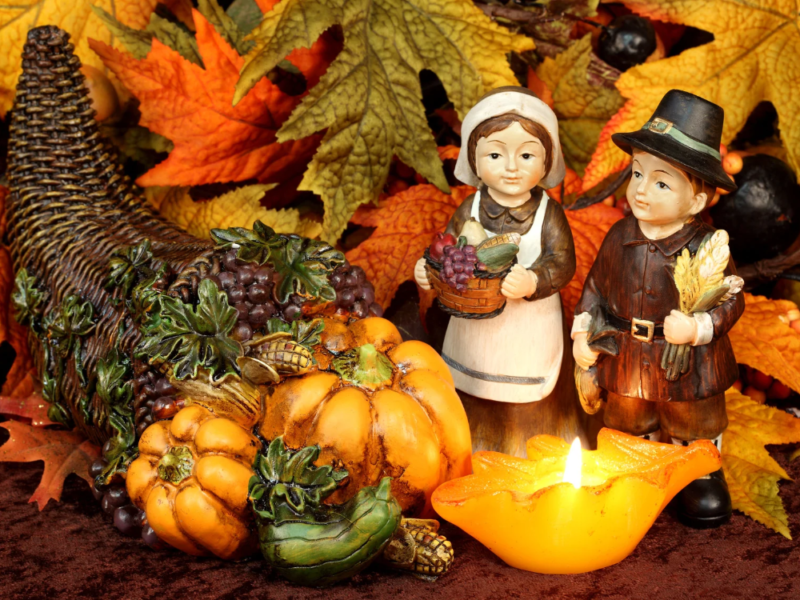
For millions of Americans, the fourth Thursday of November means turkey on the table, family gatherings, football, parades and one simple question repeated around dinner tables across the country: What are you thankful for? But the story of Thanksgiving is much more complicated than the familiar image of Pilgrims and Native Americans sharing a peaceful meal. The holiday Americans celebrate today was shaped over centuries – by harvest traditions, presidents, war, politics and even a determined magazine editor who spent years campaigning to make Thanksgiving a national event.
Thanksgiving is one of those American traditions that newcomers quickly encounter after arriving in the United States. Schools close, airports fill, families travel across the country and, for one long weekend, many Americans return home. For Croatian Americans and newer Croatian immigrants, it can also become one of the first truly American holidays incorporated into family life – sometimes with turkey and stuffing sharing the table with sarma, francuska salata or other dishes brought from home. Yet the history behind Thanksgiving is far more layered than the simplified version many people first hear in school.
The “first Thanksgiving” was not really the first
The story most commonly associated with Thanksgiving takes us to Plymouth Colony in present-day Massachusetts in 1621. English settlers who had survived their first difficult year shared an autumn gathering with members of the Wampanoag people. According to the Library of Congress, the event lasted several days and included food, games and other forms of celebration. But even calling it the “first Thanksgiving” is historically complicated.
Thanksgiving ceremonies and harvest celebrations existed among both Indigenous peoples and Europeans long before Plymouth. Spanish settlers in what is now Florida held a Mass of Thanksgiving and shared a meal with members of the local Seloy community as early as 1565. Other European settlements in North America also held ceremonies of thanksgiving before the famous Plymouth gathering. The 1621 feast nevertheless became the event around which the American national story of Thanksgiving was eventually built. At the same time, the broader history of relations between European settlers and Indigenous peoples was marked by disease, displacement and violence, making the holiday’s origins considerably more complex than the harmonious scene often depicted in popular culture.
George Washington gave thanks for a new country
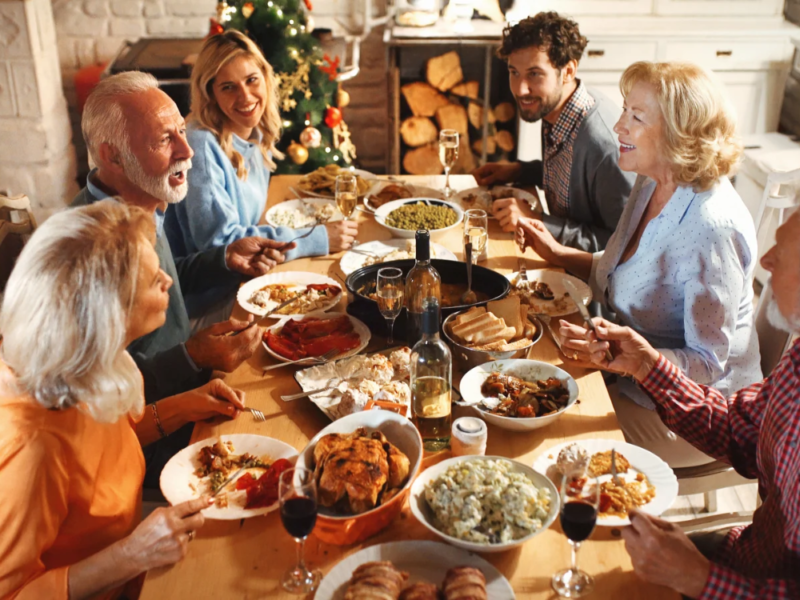
For more than a century after Plymouth, days of thanksgiving were proclaimed occasionally by colonies and communities, often in response to harvests, military victories or other significant events. After the American Revolution, Thanksgiving began to acquire a national dimension. In 1789, shortly after the creation of the new United States government, Congress proposed a national day of thanksgiving. President George Washington then proclaimed November 26, 1789, as a day for Americans to give thanks for the establishment of the new government and the freedoms of the young nation.
It still did not become an annual federal tradition. Presidents occasionally proclaimed days of thanksgiving, while Thomas Jefferson declined to do so because of concerns about the separation of church and state. James Madison proclaimed one in 1815, but decades would pass before Thanksgiving became a regular national event.
The woman who spent decades fighting for Thanksgiving
One of the most interesting figures in the holiday’s history never served as president or held elected office. Sarah Josepha Hale, an influential writer and editor of Godey’s Lady’s Book, began campaigning for an annual national Thanksgiving holiday in the 19th century. Starting in the 1820s, she published Thanksgiving stories and recipes and repeatedly wrote to governors, senators and presidents arguing that the entire country should celebrate the holiday on the same day.
Hale is also known as the author of the nursery rhyme “Mary Had a Little Lamb”, but her Thanksgiving campaign became another major part of her legacy. Her efforts finally reached Abraham Lincoln during one of the darkest periods in American history.
Lincoln turned Thanksgiving into a symbol of unity during the Civil War
In 1863, the United States was deeply divided by the Civil War. Following the Union victory at Gettysburg, President Abraham Lincoln issued a proclamation calling for a national day of Thanksgiving on the last Thursday of November.
Thanksgiving therefore became a national tradition not during a peaceful moment, but while the country was at war with itself. Lincoln’s proclamation sought to encourage gratitude but also a sense of unity in a deeply fractured nation. From that point forward, presidents continued issuing annual Thanksgiving proclamations, and the holiday gradually became an established part of American life.
Even the date once caused a national argument
The fourth Thursday of November may now feel inseparable from Thanksgiving, but even that tradition had its own controversy. In 1939, President Franklin D. Roosevelt moved the holiday earlier in November after retailers argued that a late Thanksgiving left too little time for Christmas shopping. The decision caused confusion across the country. Some states followed Roosevelt’s new date, while others kept the traditional one, meaning Americans were temporarily celebrating Thanksgiving on different Thursdays depending on where they lived.
Two years later, Congress settled the matter. In 1941, federal legislation officially established Thanksgiving as the fourth Thursday of November, the date on which Americans continue to celebrate it today.
Turkey, football and parades became part of the American ritual
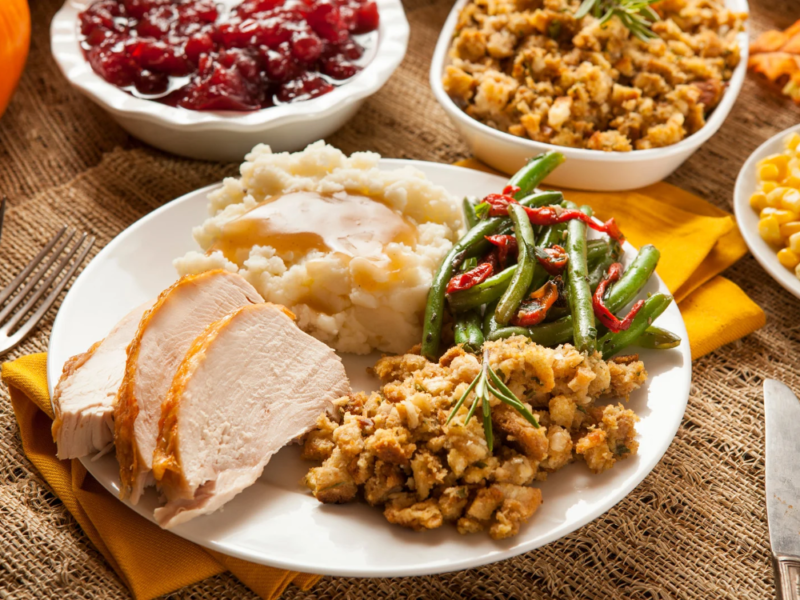
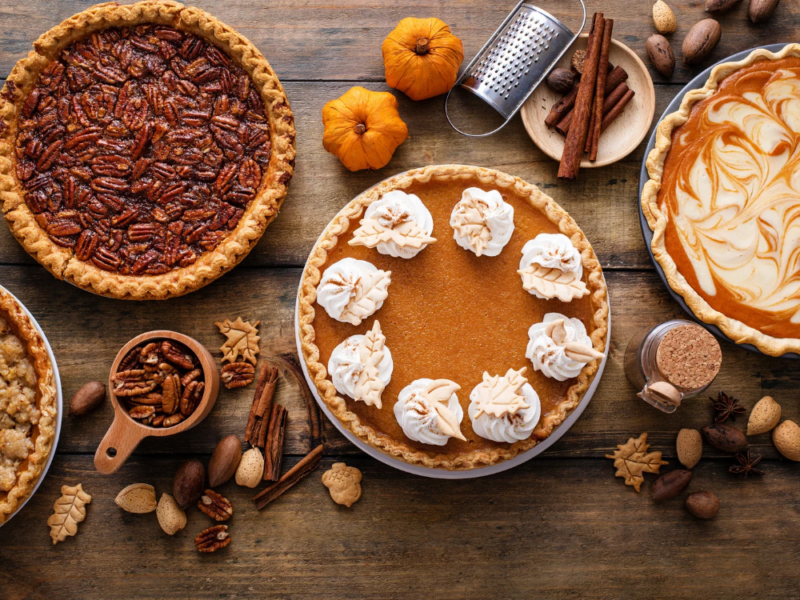
Over time, Thanksgiving moved far beyond presidential proclamations and religious observances. A large family meal became central to the holiday, while turkey, stuffing, cranberry sauce, potatoes and pumpkin pie emerged as some of its most recognizable foods.
Football also became closely connected with Thanksgiving. The Library of Congress notes that Princeton and Yale played a Thanksgiving Day college football game as early as 1876. By the early 20th century, parades were also becoming part of the tradition, with Philadelphia holding an early Thanksgiving parade in 1920, followed by celebrations in cities including Detroit and New York.
Today, Thanksgiving is simultaneously a family holiday, a major travel period, a cultural tradition and the unofficial beginning of the American Christmas season. But beneath the turkey, football and crowded airports, its central idea remains remarkably simple: gratitude. For generations of immigrants, including Croatians who built new lives in the United States, that message can carry an additional meaning. Thanksgiving offers an opportunity to celebrate what was gained in a new country while still preserving the traditions, food and memories brought from the old one. And perhaps that is why, despite its complicated history and changing traditions, Thanksgiving continues to occupy such a distinctive place in American life. It is less about a single meal in 1621 than about something Americans have repeatedly redefined over centuries – the idea of stopping, gathering together and giving thanks for what they have.
Source: Library of Congress, “The Real History of Thanksgiving.”
Latest Posts
Stay updated with our recent articles and insights.
 Teme
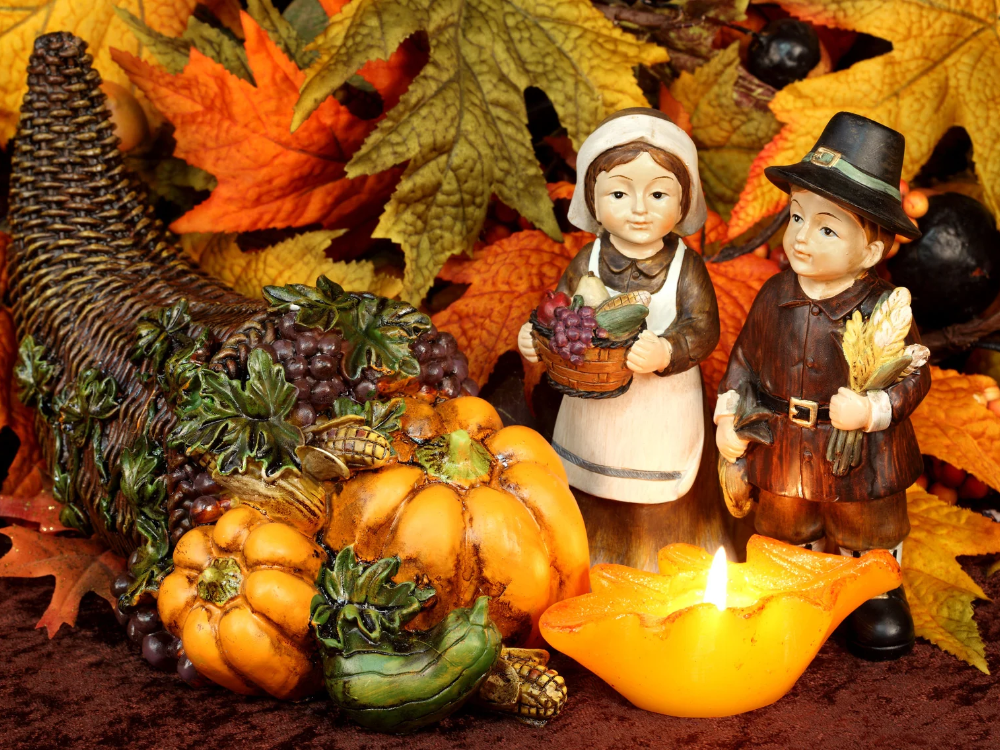
From a harvest feast to a national holiday: How Thanksgiving became one of America’s biggest traditions
For millions of Americans, the fourth Thursday of November means turkey on the table, family gatherings, football, parades and one
 Podcasti
Tomislav Tipurić u Cyberfleetu: Hrvatska IT tvrtka nadmašila poslovne planove u New Yorku
U 32. epizodi podcasta hrvatski IT stručnjak govori o desetljeću u Microsoftu, širenju Nephosa na američko tržište i utjecaju umjetne
 Događanja
Čelnici vodećih svjetskih bolnica stižu u Zagreb: Plexus tjedan povezuje hrvatsku medicinu s globalnim institucijama
Zagreb će od 4. do 6. prosinca ponovno postati mjesto susreta hrvatske medicine i nekih od najvažnijih svjetskih zdravstvenih i
 Događanja
Hrvatski zvuci Božića stižu u Oakville: Canadian Croatian Choral Society priprema poseban blagdanski koncert
Blagdansko vrijeme u hrvatskoj zajednici u Kanadi i ove će godine biti obilježeno glazbom. Canadian Croatian Choral Society u nedjelju,
 Događanja
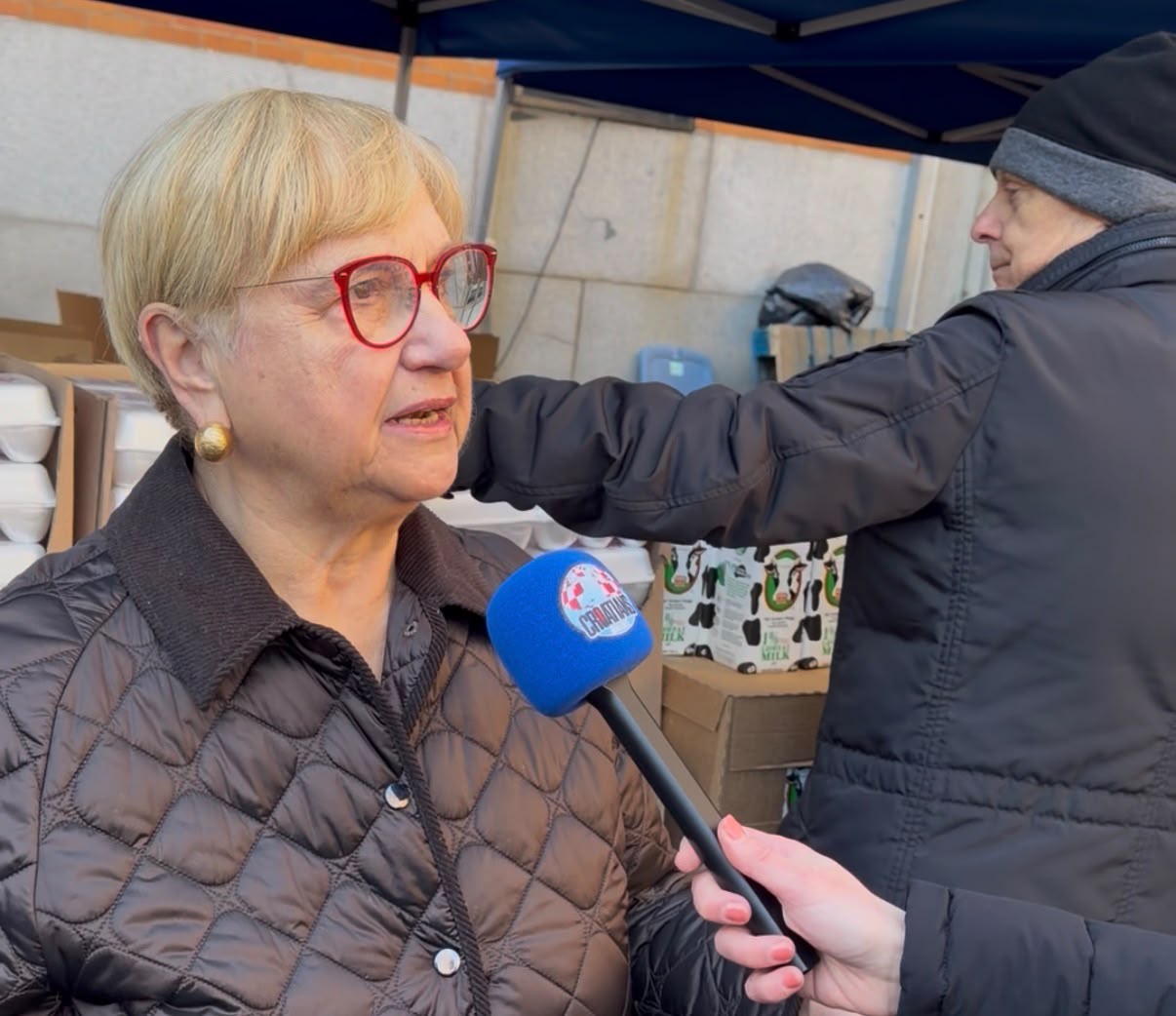
Od izbjeglice iz Pule do ostvarenja američkog sna: Lidia Bastianich danas pomaže onima kojima je pomoć nekoć i sama trebala
Svjetski poznata kuharica Lidia Bastianich pridružila se guvernerki Kathy Hochul, gradonačelniku Zohranu Mamdaniju i njujorškom nadbiskupu Ronaldu Hicksu u velikoj
 Događanja
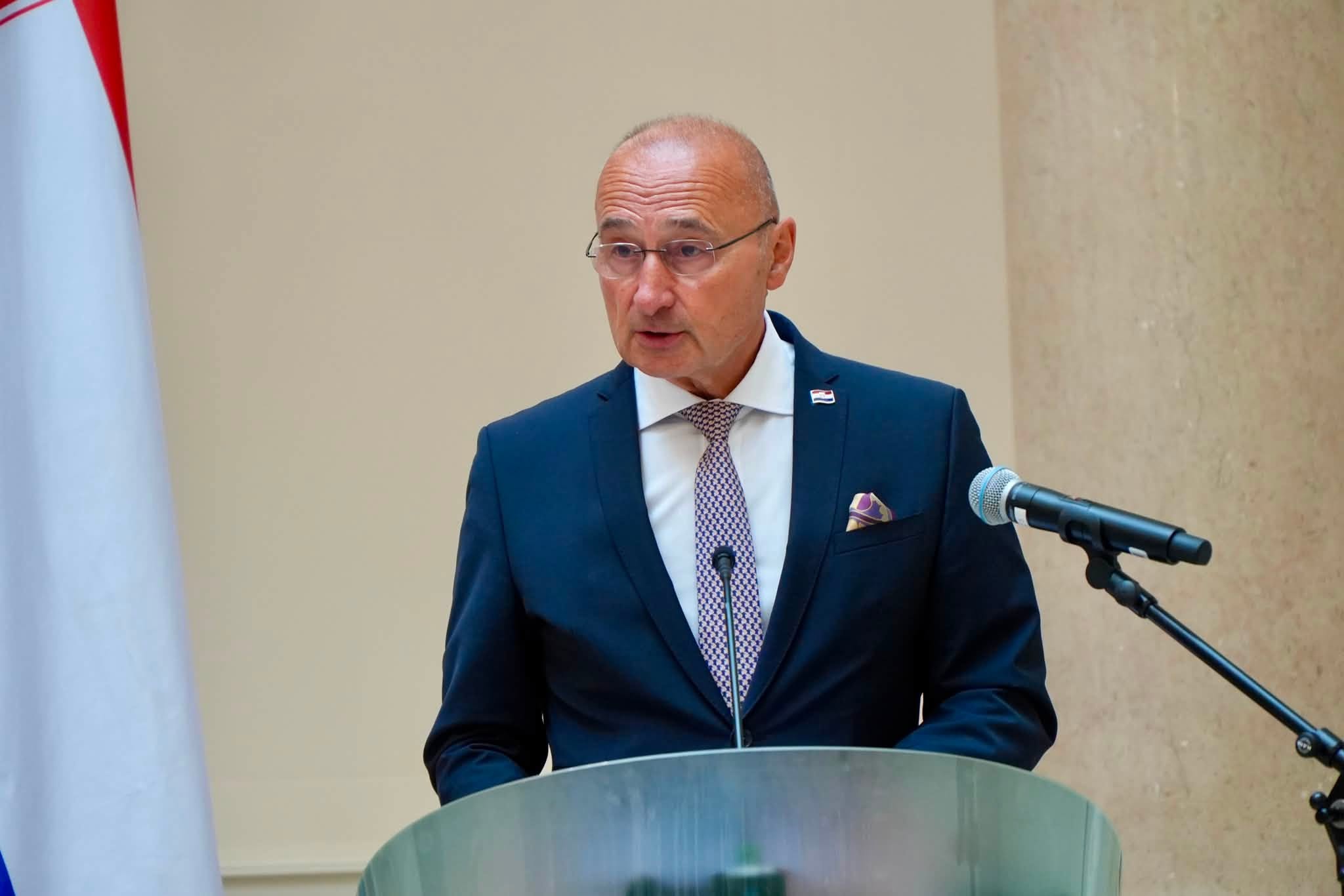
Grlić Radman u Zürichu zahvalio hrvatskoj zajednici na povezivanju Hrvatske i Švicarske
Hrvatski ministar vanjskih i europskih poslova Gordan Grlić Radman u Zürichu je istaknuo važnu ulogu hrvatske zajednice u Švicarskoj u
 Sport
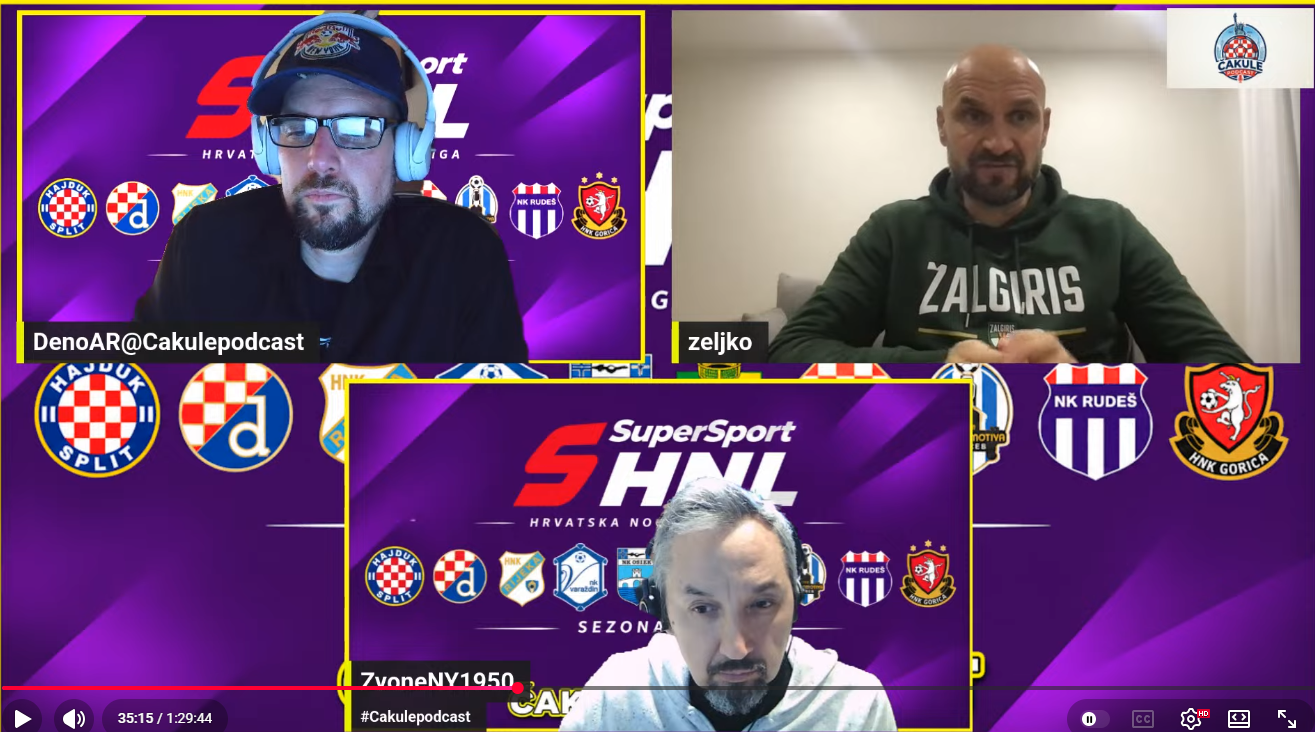
HNL – 14. KOLO: Hajduk čuva vrh, Dinamo ne odustaje, Varaždin potvrđuje ambicije, a Rijeka se vraća!
Četrnaesto kolo SuperSport HNL-a donijelo nam je sve ono zbog čega hrvatski nogomet nikada nije samo igra rezultata. Bilo je
 Događanja
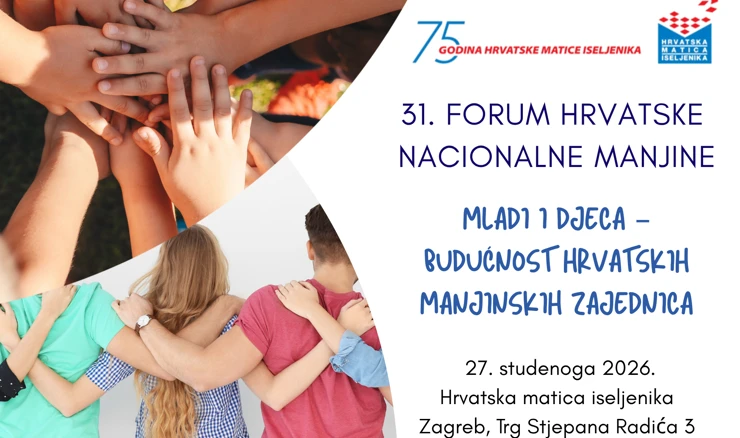
Mladi u središtu 31. Foruma hrvatske nacionalne manjine: Kako sačuvati jezik i identitet novih generacija
Kako sačuvati hrvatski jezik i osjećaj pripadnosti među djecom i mladima koji odrastaju izvan Hrvatske? Upravo će to biti glavna
 Kultura
Hrvatska više nije samo zemlja iseljavanja: Raste interes potomaka iseljenika za povratak
Hrvatska se desetljećima promatrala prvenstveno kao zemlja iz koje se odlazi, no migracijska slika danas je mnogo složenija. Uz dolazak
 Podcasti
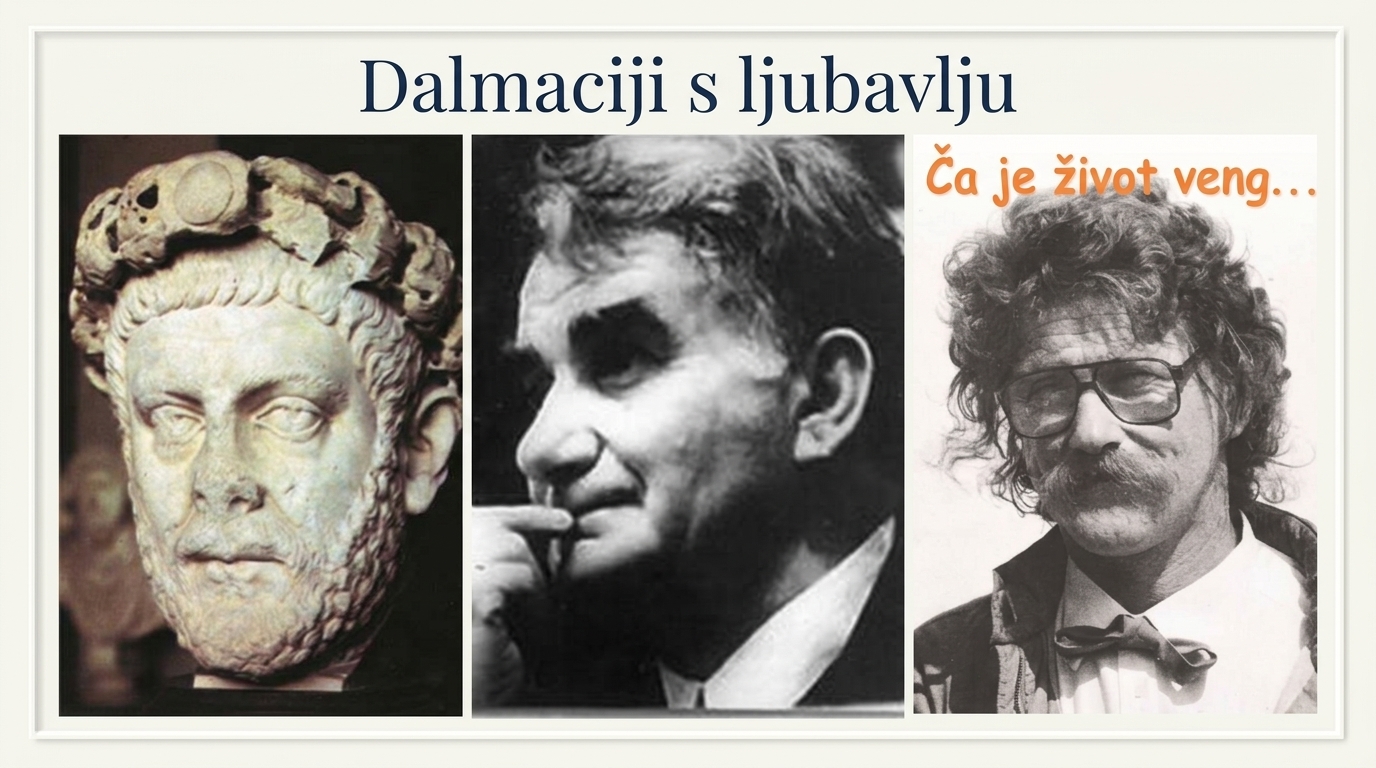
Nova epizoda Dalmaciji s ljubavlju vodi vas na put kroz razna stoljeća
U ovotjednoj emisiji putujemo kroz mnoga stoljeća. Temama vas vodimo od carskih dvora našeg Dioklecijana, preko mudrosti i dobrote don
 Croatians Saturday Live
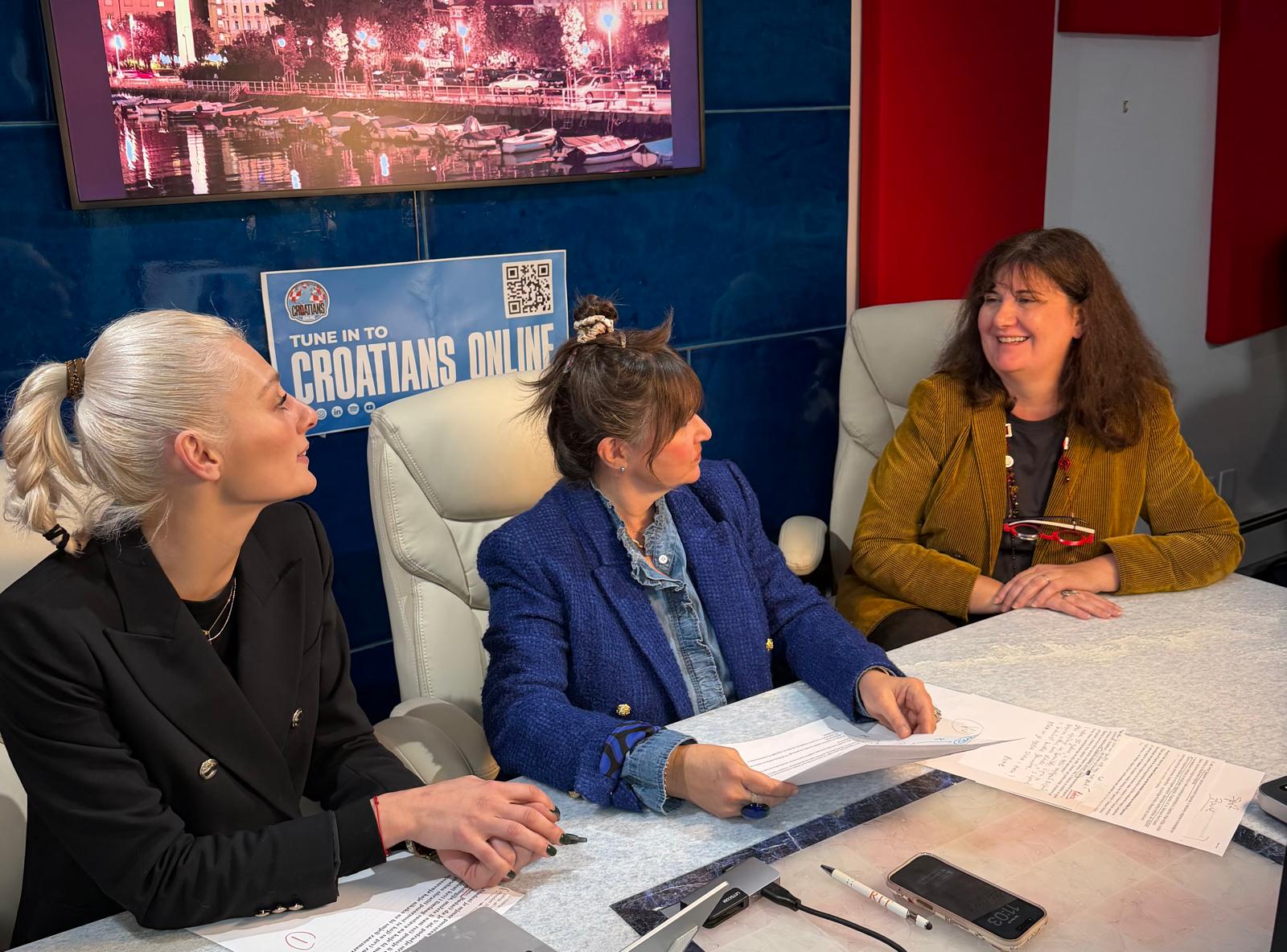
Dvoje hrvatskih onkologa iz SAD-a o liječenju raka: “Napredak je velik, ali simptome ne smijemo ignorirati”
Od leukemije koja se prije nekoliko desetljeća kod mnogih starijih pacijenata gotovo nije ni liječila do terapija koje danas koriste
 Croatians Saturday Live
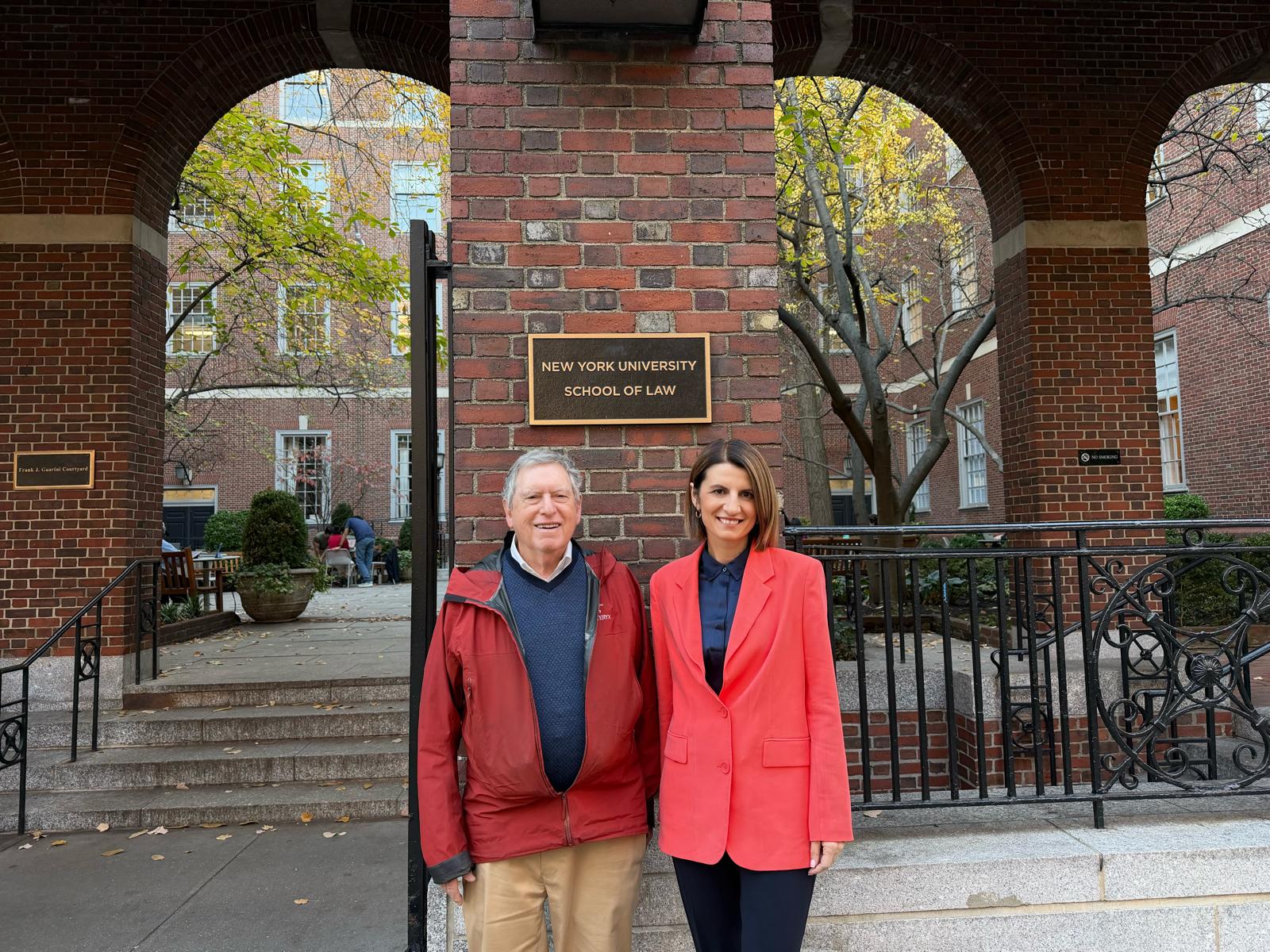
Why Is the U.S.-Croatia Tax Treaty Taking So Long? H. David Rosenbloom Explains
Exclusive Interview | Professor H. David Rosenbloom reveals how one senator can delay international tax treaties, why American business interests
Listen to Croatians Online here:
Croatian American Media Association Corp is a tax exempt organization under Section 501 c(3) of the Internal Revenue Code (EIN # 99-1591741). Your donation is greatly appreciated and will be used to support our mission. Your contribution is tax deductible to the full extent permitted by law.